Gaonkaari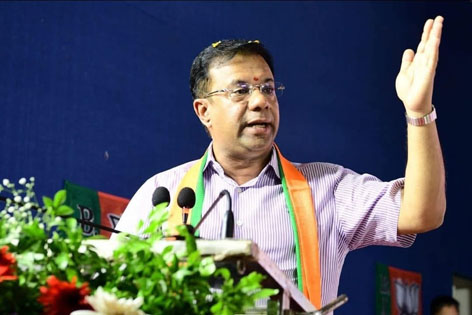
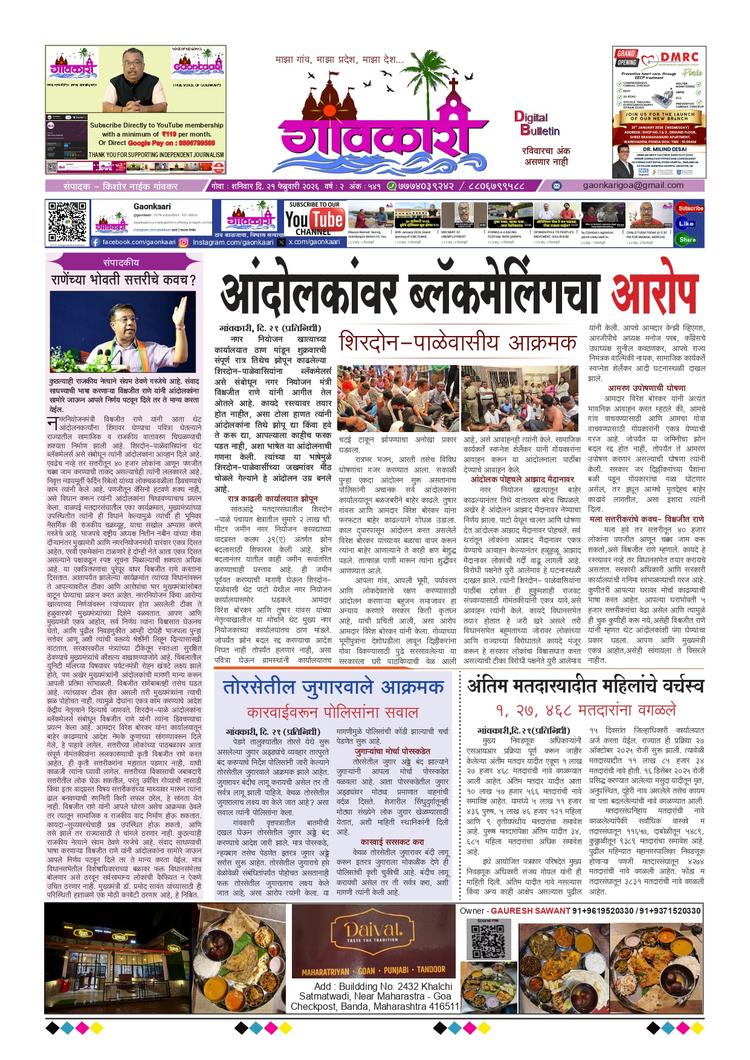
Any political leader must exercise restraint. If Vishwajit Rane, who often speaks the language of dialogue, chooses to directly engage with the protesters and convincingly justify his decisions, that would be acceptable.
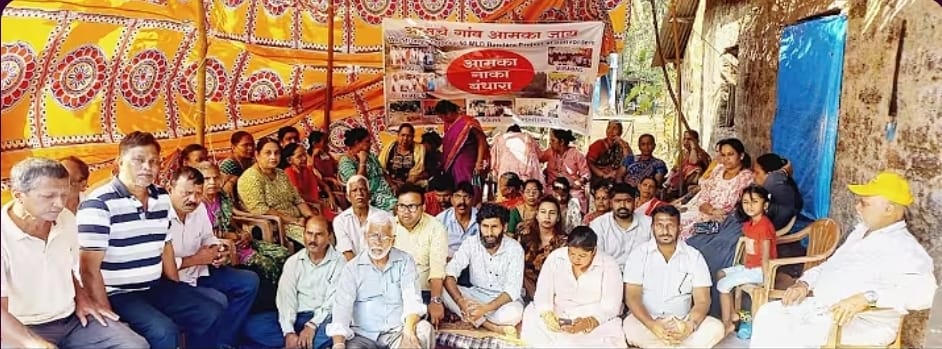
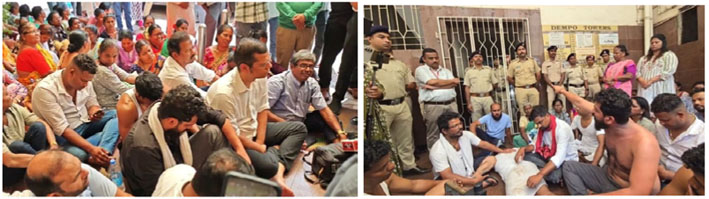
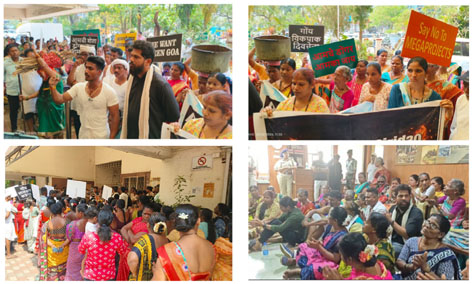
However, Town and Country Planning Minister Vishwajit Rane has now taken an aggressive stand against the agitators, raising the possibility of social and political tensions escalating in the state. By labeling the Shirdon-Pale residents as “blackmailers,” he has openly challenged the protesters. He further asserted that he has the strength to mobilize 40,000 people from Sattari to block roads in Panaji.
He has also appeared to provoke the people’s movement led by retired Justice Ferdino Rebello. By stating that casinos cannot be shifted out of Panaji, he seems to have deliberately stirred the agitation. Making such remarks at a function in Valpoi, in the presence of the Chief Minister, raises questions about whether this is a natural political stance or part of a larger political strategy.
Following the visit of BJP’s national president Nitin Nabin to Goa, the Chief Minister and the Town Planning Minister have been seen together frequently. Leaders who earlier appeared distant are now sharing platforms, suggesting possible directives from the party leadership. Vishwajit Rane appears to be making full use of this visible unity. Through his recent statements, he seems to be sharing the burden of criticism and allegations directed at him with the Chief Minister.
Criticism over decisions in the Town Planning and Health departments is subtly redirected toward the Chief Minister. Statements such as “We are united; all decisions are taken in consultation with the Chief Minister, and together we will bring the BJP back to power in the next election” appear carefully crafted. The Chief Minister’s political skill in insulating himself from direct criticism of his ministers is notable. In the case of the Unity Mall at Chimbel, Tourism Minister Rohan Khaunte initially faced the brunt of public anger, but eventually the Chief Minister accepted the protesters’ demands, preserving his own image. A similar pattern seems visible in Vishwajit Rane’s case — while criticism mounts against him, the Chief Minister remains relatively unaffected. This suggests that the central leadership may have instructed them to work in close coordination.
By calling the Shirdon-Pale protesters “blackmailers,” Vishwajit Rane has clearly attempted to provoke them. The reported order to remove MLA Viresh Borkar from his office also raises questions about who directed such action. Now, invoking the backing of Sattari’s people to challenge the wider Goan population is a risky move. Care must be taken to ensure that Sattari’s residents are not made to bear the political cost of such confrontations.
While the people of Sattari can take responsibility for their region’s development, using them as a shield in broader state-level controversies may not be a sustainable strategy. If Vishwajit Rane continues with an aggressive political approach, it could trigger wider social and political unrest. Issues of law and order may arise, which would not be in the state’s interest.
Political leaders must maintain restraint. If Vishwajit Rane genuinely believes in dialogue, he should face the protesters and present his case convincingly. Restricting himself to speaking only within the legislative assembly under the protection of privilege, while ignoring the grievances of ordinary citizens, would not be appropriate. For Chief Minister Pramod Sawant, handling this evolving situation will undoubtedly be a significant test.