Gaonkaari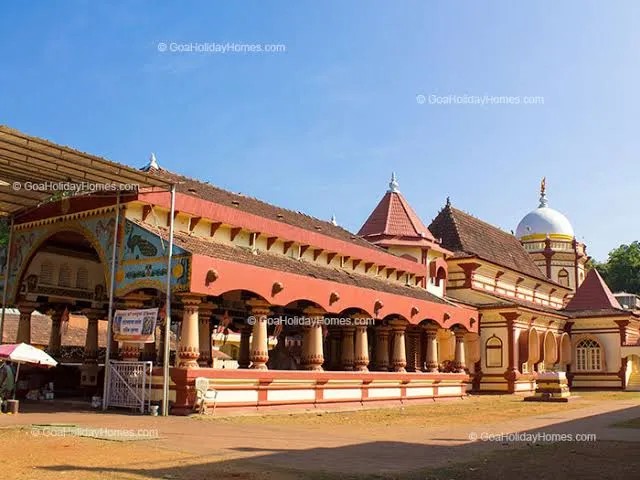
Ponda, April 16, 2026:
A fresh development has emerged in the long-standing dispute surrounding the Shree Devi Navdurga temple at Madkai, with RTI activist Sudip Narayan Tamankar submitting a formal representation to the Mamlatdar of Ponda, seeking intervention in making available the third idol (Utsav Murti) for temple festivals.
In his letter dated April 16, Tamankar has requested authorities to direct the Mahajans of the temple to release the third idol to the Navdurga Pratisthan Trust for conducting traditional rituals such as Sangod, Makhar, and Rath Utsav during Navratri.
Dispute Over Idol and Temple Control
The representation highlights a long-standing conflict between villagers/devotees and the Mahajans (traditional temple stakeholders) over the control and management of the temple and its idols.
According to the complaint:
In 2016, a decision was allegedly taken by the Mahajans to replace the ancient idol without consulting villagers and devotees.
This triggered strong opposition, with locals asserting that the temple is a public place of worship and not a private institution.
Villagers claim the original idol holds deep spiritual and historical significance and should not be replaced.
Legal Battle Across Courts
The dispute has led to multiple legal proceedings over the years, including:
Civil Suit in Ponda (2016) seeking to stop idol replacement
Appeals and writ petitions before the Bombay High Court at Goa
Contempt proceedings in 2023
A Special Leave Petition before the Supreme Court
Despite ongoing litigation, Tamankar stated that no court has stayed the conduct of temple festivals, which continue annually with large participation of devotees.
Third Idol Kept Under Lock for Years
A key issue raised is that the third idol—traditionally used for festival rituals—is allegedly kept under lock and key by the Mahajans and has not been used for worship for over nine years.
Tamankar stated that:
The temple has three idols: one main idol, one for palkhi processions, and the third (Utsav Murti) meant for festival rituals.
The Utsav Murti has remained inaccessible, affecting traditional practices.
Cultural and Religious Significance
The letter also recounts the historical and spiritual significance of the temple, believed to be over 500 years old, with devotees from across Goa and neighbouring states.
It narrates a traditional belief linking the third idol to a devotee, Pandu Madkaikar, and emphasizes the continuation of age-old rituals associated with the deity.
Demand for Administrative Action
Invoking the Mamlatdar’s role as custodian of temples in the taluka, Tamankar has urged authorities to:
Obtain the keys from the Mahajans
Ensure the Utsav Murti is handed over to the Navdurga Pratisthan Trust
Facilitate the conduct of traditional temple festivals without obstruction
Mahajans’ Stand
As per the representation, the Mahajans maintain that:
The temple is a private religious institution managed by registered Mahajans (family shareholders)
Rights of management, rituals, and administration are hereditary and limited
The idol replacement decision is a धार्मिक matter governed by Agama Shastra and not subject to public opinion
Awaiting Official Response
The matter now awaits response from the Mamlatdar’s office. Given the sensitive religious and legal dimensions of the dispute, any administrative action is likely to have significant implications for temple management and community sentiments in the region.