Gaonkaari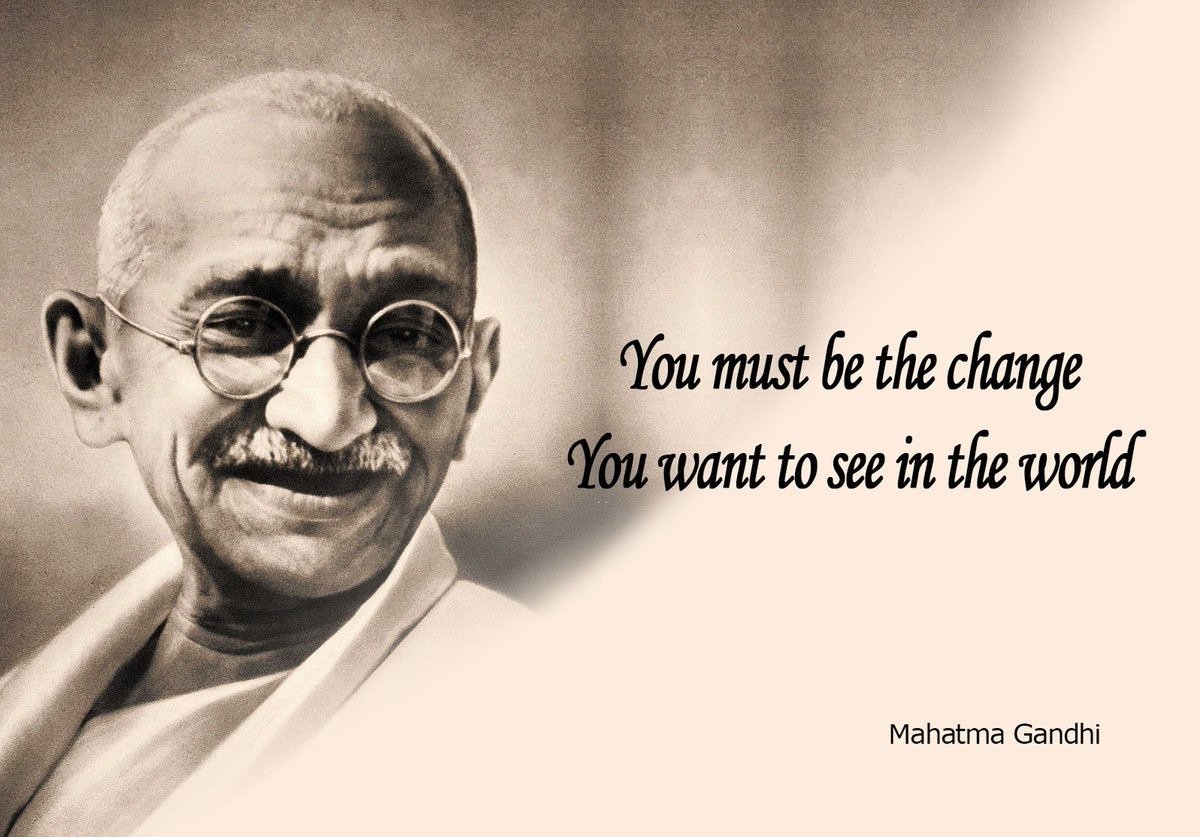
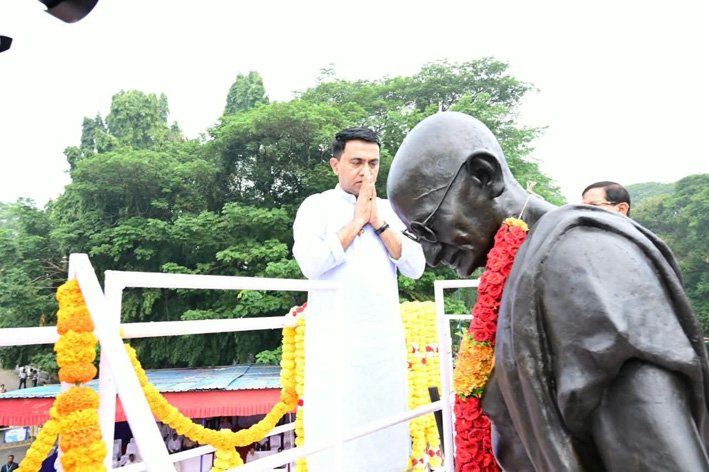
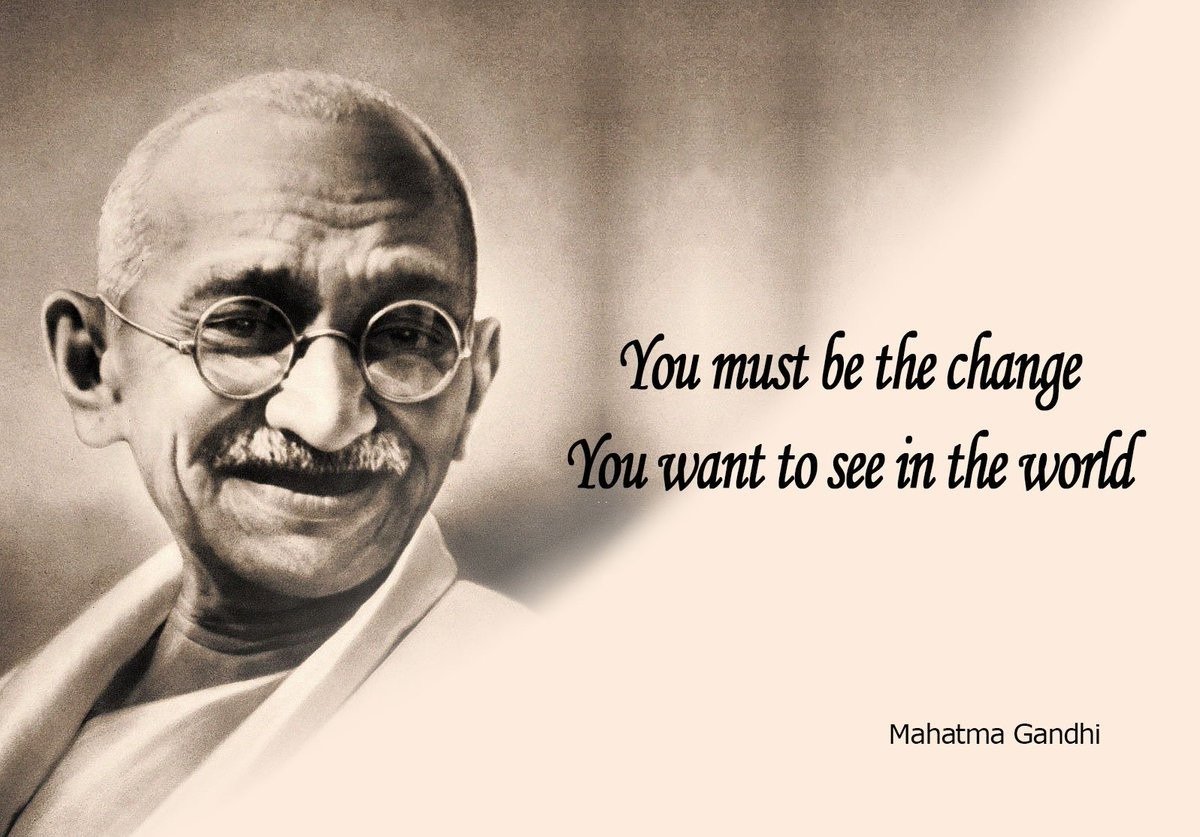
Every 2nd October, mostly politicians gather at venues where memorials have been built to the Mahatma and, in front of cameras, garland his statue carved in stone. One wonders whether they have come to pay their obeisance after an introspection of the moral degradation that they have caused to our country and society. At least on this day, they should spare a thought as to why the Mahatma breathed his last for this country.
Is there any philosophy which can be said to be identified as “Gandhism”? I have perhaps come across this term possibly for the first time. Gandhi’s life was the life of a revolutionary, but a revolutionary who coined a new philosophy of non-violence, which we describe as Satyagraha.
Gandhi, in his lifetime, as we know from his Experiments with Truth, did have some concepts about the way we should shape our lives. If we can identify any philosophy in the life of the Mahatma, it is the theory of Trusteeship. In the Mahatma’s words:
“My theory of ‘trusteeship’ is no makeshift, certainly no camouflage. I am confident that it will survive all other theories. It has the sanction of philosophy and religion behind it.”
To elaborate, just as the State is the trustee for the natural resources of the State, the Mahatma believed that those “who have” must act as trustees for those “who do not have”. In other words, those who are economically well-off must share part of their wealth for the benefit of those who live in poverty.
Whether the Indian State, committed to be a socialist state under the Constitution, and its entrepreneurs have imbibed or lived by this philosophy is a question that each one of us must ponder. On the economic side, what we find is that the resources of the State are concentrated in a few hands and millions of people have to depend on food aid from the State to sustain their livelihood. His thoughts on trusteeship are reflected in his book My Theory of Trusteeship.
Is Satyagraha Still Relevant?
Has the present generation forgotten Satyagraha as a means to fight wrongs perpetuated by the State and to assert their rights?
Satyagraha basically was a tool which Gandhi fashioned as a fight against British colonial rule and to seek independence for India. This philosophy did find adherence in some foreign countries among those who were fighting societal injustices.
To that extent, is Satyagraha still relevant in fighting against State actions which directly impact society?
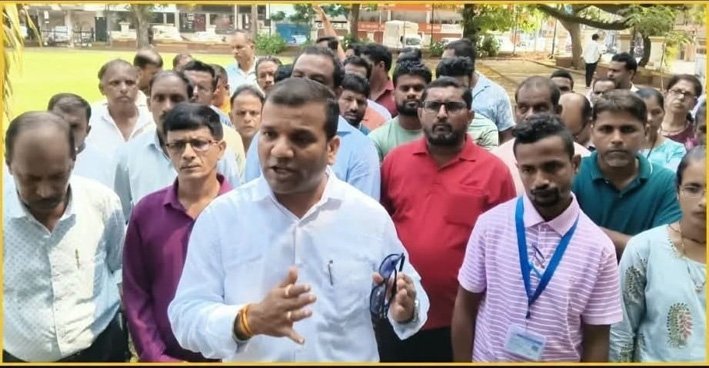
One is immediately confronted by the youth movement of the recent past arising from the failure of our examination systems. Did this youth movement follow the path of Satyagraha?
To my mind, what perhaps was a useful tool 100 years ago will have to consider societal changes to fight against perceived State oppression, seen in the context of corruption, malpractices, capturing State resources, administrative inefficiency and the use of State machinery, including constitutional posts, for the benefit of a party in power.
The youth movement has thus evolved, and Satyagraha, though a means, may not be an efficient tool for the redressal of grievances against State faults. To my mind, therefore, the tool of protest has to evolve to meet the challenges of the present.
One thing, however, that we have learnt from the recent movement is that, by and large, the protests have been peaceful, even though normally the youth get emotionally charged on issues. Thus, these movements have partly followed Satyagraha as a means to redress perceived wrongs.
Have We Failed the Mahatma’s Vision?
The larger question which we have to address ourselves is: Have we failed the Mahatma’s vision of obliterating injustice, poverty and, above all, maintaining communal harmony in India?
The Mahatma, to uphold these ideals, even had to breathe his last so that the vision for which he fought does not die.
This is what we must collectively remember today.
— Justice Dr. Ferdino Rebello
Chief Justice, High Court of Allahabad (Retd.)
Judge, High Court of Bombay (Retd.)