Gaonkaari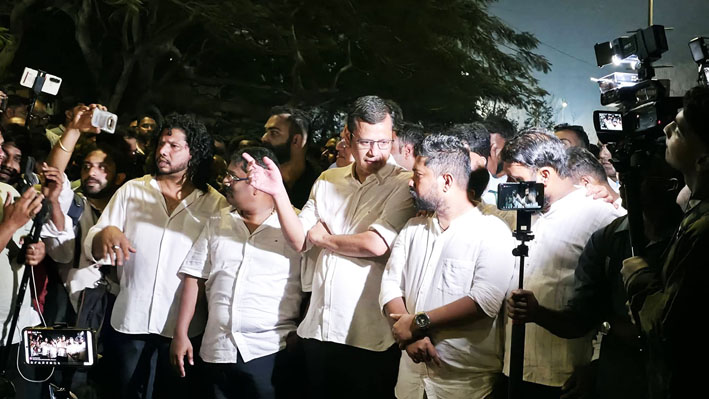
Would similar freedom have been granted if the agitation had been led by the Congress or the Aam Aadmi Party? Why then was such space available to the Revolutionary Goans Party (RGP)? Political observers continue to debate this question. Despite intense criticism directed at a cabinet minister, the government’s calm response surprised many observers.
The Bharatiya Janata Party (BJP) has been in power at the Centre for the past 12 years and in Goa for 14 years. Opposition parties continue to argue that both the country and the state need a political change and that the BJP must be removed from power. However, a crucial question remains: are the opposition parties genuinely seeking to unseat the BJP, or are they merely attempting to capture the seat of power for themselves?
If the BJP were to lose power, governance would naturally pass into the hands of the opposition. Yet, it is widely acknowledged that no single opposition party currently possesses the strength to challenge and defeat the BJP on its own. The only viable alternative, therefore, appears to be opposition unity under a common platform. But this raises equally complex questions. how will power be shared afterward, how will seat-sharing disputes be resolved, and who will lead such an alliance? These unresolved issues have effectively trapped the opposition in a political labyrinth.
The BJP understands well that once the opposition becomes entangled in internal contradictions, escaping them becomes difficult. As long as this confusion persists, retaining the key to power becomes significantly easier for the ruling party. The real question, therefore, is whether the opposition can formulate a credible response to this simple yet effective political strategy.
In Goa, it is widely believed that if opposition parties genuinely unite, the BJP would face a formidable challenge. However, the opposition has gradually lost public credibility. As part of its political strategy, the BJP has successfully propagated a narrative suggesting that sections of the opposition remain in informal contact with the ruling establishment. This perception has created an atmosphere of suspicion within opposition ranks, leading leaders to distrust one another. This climate of suspicion has become the single biggest obstacle preventing opposition unity, and recent developments appear to reinforce rather than dispel these doubts.
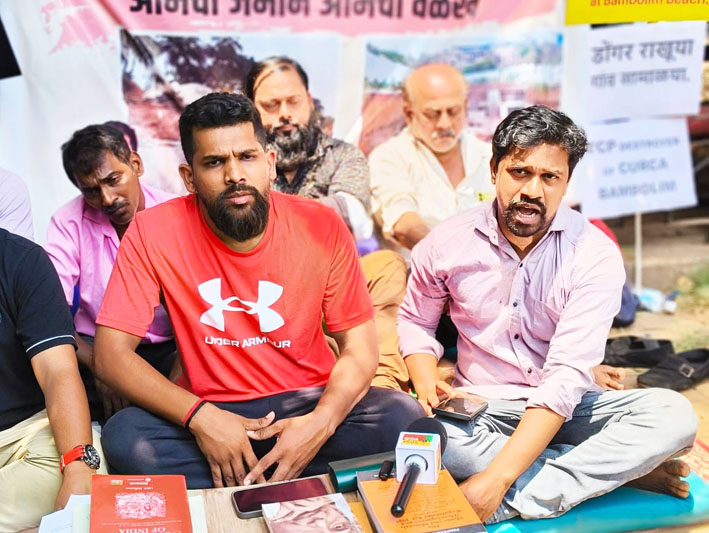
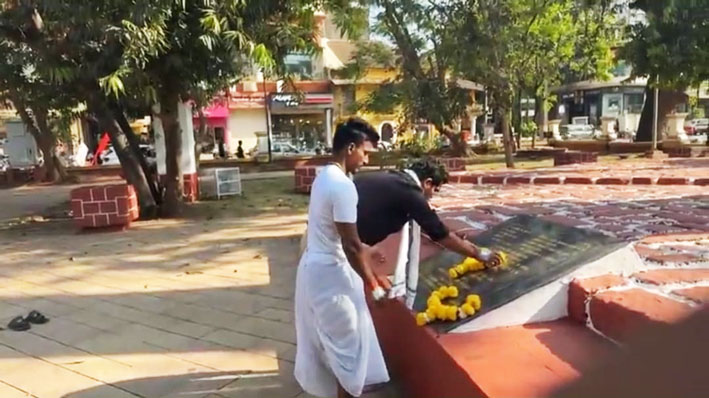
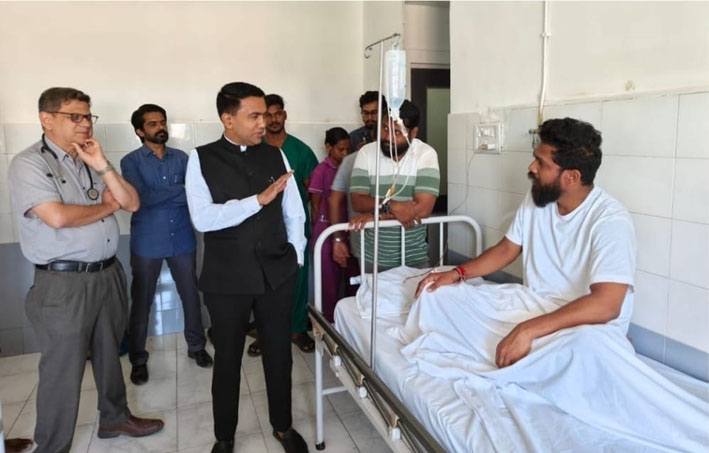
The anti-39(A) agitation led by MLA Viresh Borkar in Siridao- Pale village, the overnight sit-in at the Town Planning office, and the subsequent march to Minister Vishwajit Rane’s residence at Dona Paula significantly stirred Goa’s political landscape. Throughout these events, the restraint displayed by the government, particularly Chief Minister Dr. Pramod Sawant was widely noted and even appreciated, yet it simultaneously raised questions in many minds.
Would similar freedom have been granted if the agitation had been led by the Congress or the Aam Aadmi Party? Why then was such space available to the Revolutionary Goans Party (RGP)? Political observers continue to debate this question. Despite intense criticism directed at a cabinet minister, the government’s calm response surprised many observers.
After facing a judicial setback in the 17(2) matter, the government eventually withdrew the 39(A) proposal following protests at Arambol and later in St. Andre constituency. If the government had full confidence in the policy, then yielding before sustained agitation raises questions about the consistency of its position.
The Siridao-Pale protest soon evolved into a statewide movement and inevitably acquired a political colour. With multiple opposition parties participating, political speeches against the government were expected. However, calls for alliances and future coalitions also surfaced during the agitation, while underlying rivalries and internal tensions among opposition leaders became equally visible.
Congress Leader of Opposition Yuri Alemao and MLA Altone D’Costa actively supported MLA Viresh Borkar. Aam Aadmi Party MLAs Venzy Viegas and Cruz Silva also extended support. Meanwhile, the presence of Adv. Carlos Ferreira and Vijai Sardesai appeared largely formal. Goa Congress president Amit Patkar attended only briefly, while the absence of South Goa MP Captain Viriato Fernandes was noticeably felt.
It is certain that the BJP has been closely observing these developments. Statements by AAP MLA Venzy Viegas claiming that an alliance proposal had come from the RGP, followed almost immediately by political developments at the national level involving former Delhi Chief Minister Arvind Kejriwal receiving relief in the liquor policy case, have prompted political analysts to question whether these events were merely coincidental or part of a larger political pattern.
The debate, therefore, continues is the opposition preparing to challenge power, or is it still struggling to overcome its own contradictions?