Gaonkaari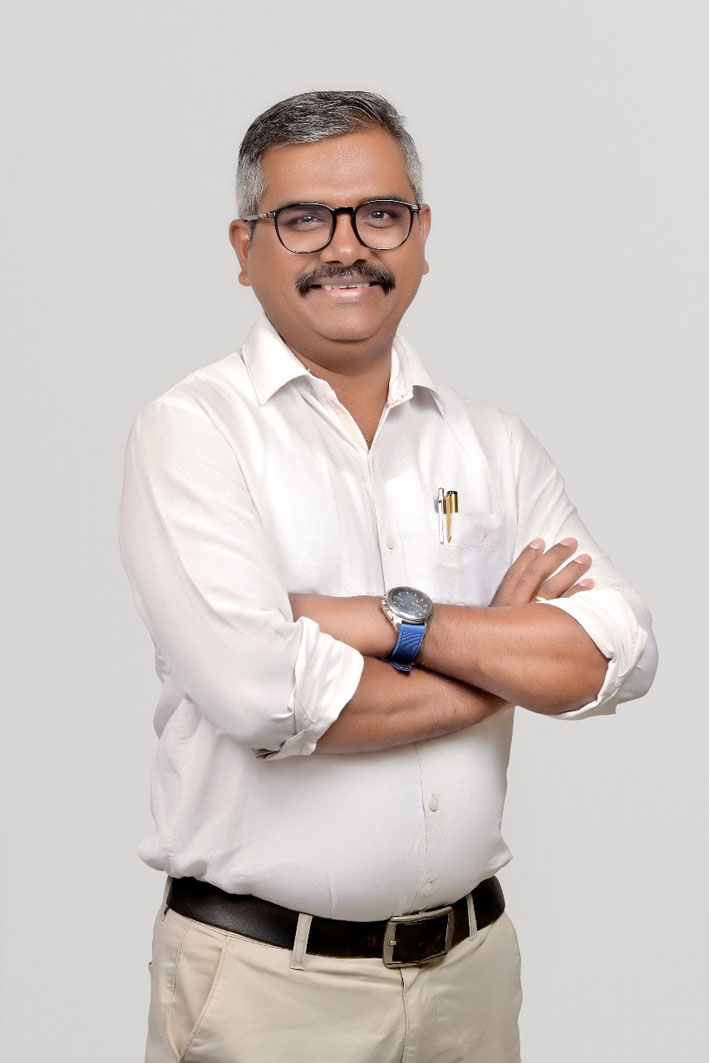
Democracy does not survive on elections alone. It survives on accountability, vigilance, and the courage to question those in power. In any healthy democracy, the opposition plays a crucial role. It is expected to speak for the people, expose failures of governance, challenge injustice, and offer a credible alternative.
But in Goa today, the opposition appears weakened not merely by numbers, but by its own internal divisions, lack of discipline, delayed responses, and failure to act with unity on issues that matter to Goans. This is not just a political failure. It is a serious concern for Goa’s future.
When opposition parties fight among themselves, remain silent on crucial issues, or respond only after public pressure builds, they do not weaken the ruling party. They weaken the people. They create the impression that the ruling party is undefeatable, not because it is invincible, but because the opposition has failed to present itself as a strong, united, and trustworthy alternative.
Goa cannot afford such fragmented politics. The challenges before the state are too serious: environmental destruction, land conversions, pressure on villages, threats to identity and culture, unemployment, infrastructure stress, and growing public distrust in institutions. These issues require a disciplined and united political response.
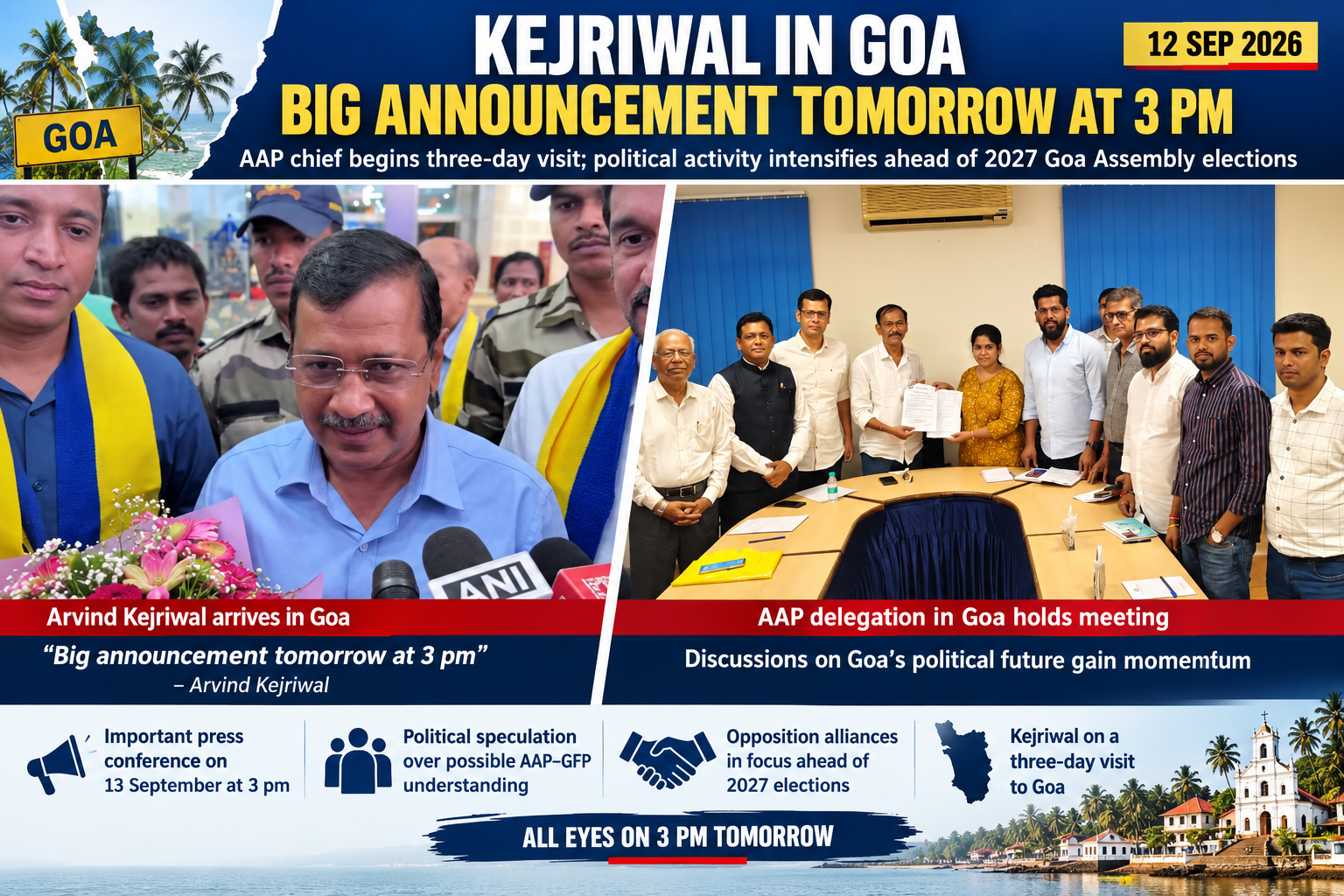
What Goa needs is a clear one-on-one democratic contest — a united, focused, and responsible opposition capable of holding power accountable. Without such unity, elections risk becoming routine exercises rather than instruments of real change. Without discipline, accountability becomes only a slogan.
However, this unity cannot be left to political parties alone. The responsibility now also lies with informed and alert citizens. Goans must rise above blind party loyalties and ask one simple question: who is truly standing for Goa?
Citizens must demand accountability not only from the ruling party, but also from the opposition. Opposition leaders must be reminded that their positions are not privileges. They are responsibilities. Their duty is not to protect personal ambition, but to protect democracy, people’s rights, and Goa’s future.
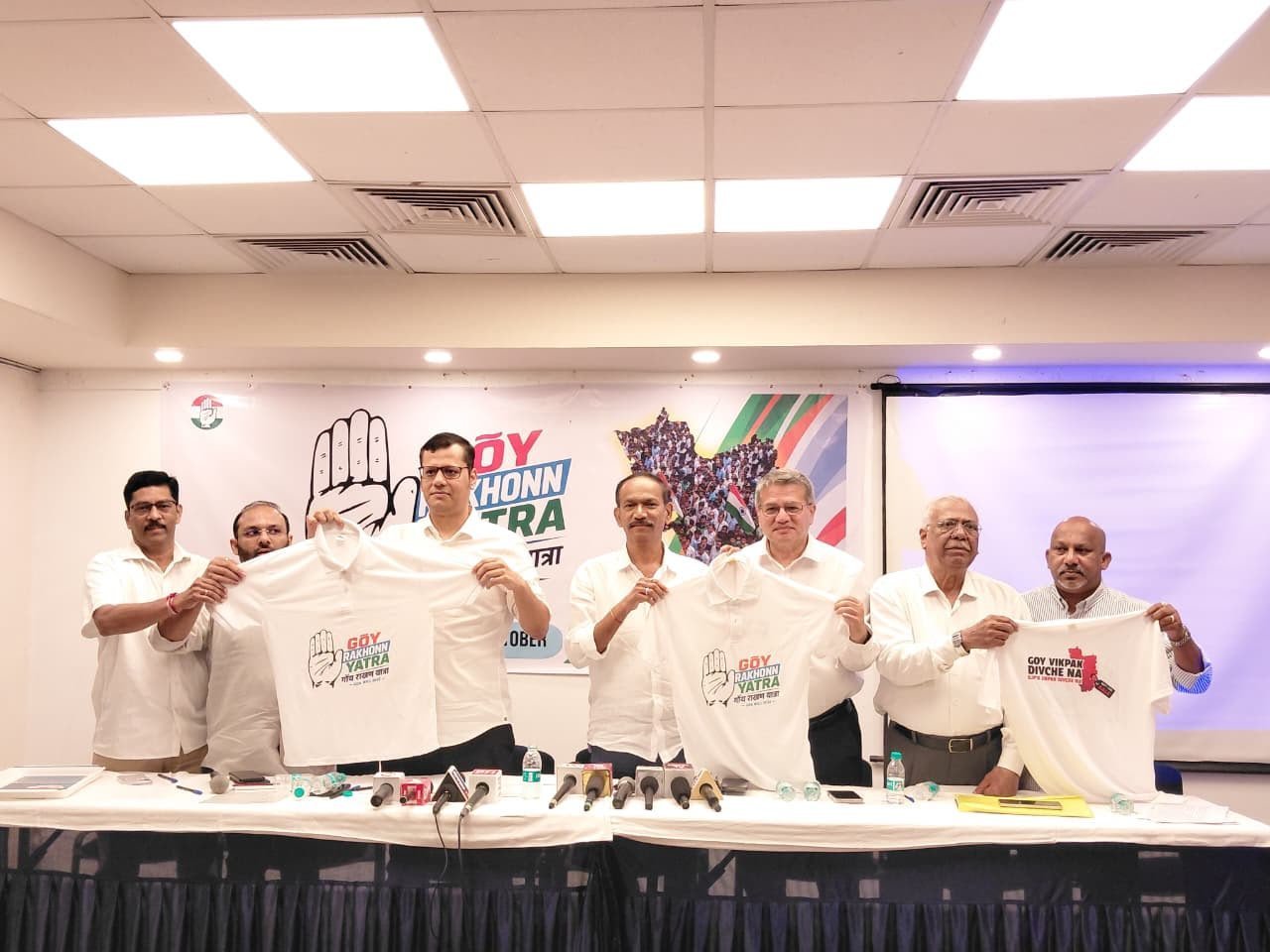
It is time to insist that opposition parties stop treating democracy as a platform for ego clashes and political convenience. They must rise above petty rivalries and work together on issues concerning Goa’s land, environment, culture, communities, and future generations.
If the opposition fails, democratic accountability weakens. If accountability weakens, Goa suffers. And Goa cannot afford to suffer in silence.
The people of Goa must now become the conscience of the state. They must demand unity, discipline, responsibility, and courage from every political leader who claims to speak for them.
Goa deserves better. Goa demands better. And only an informed, united, and fearless citizenry can make that possible.
Mr. Swapnesh Sherlekar