Gaonkaari
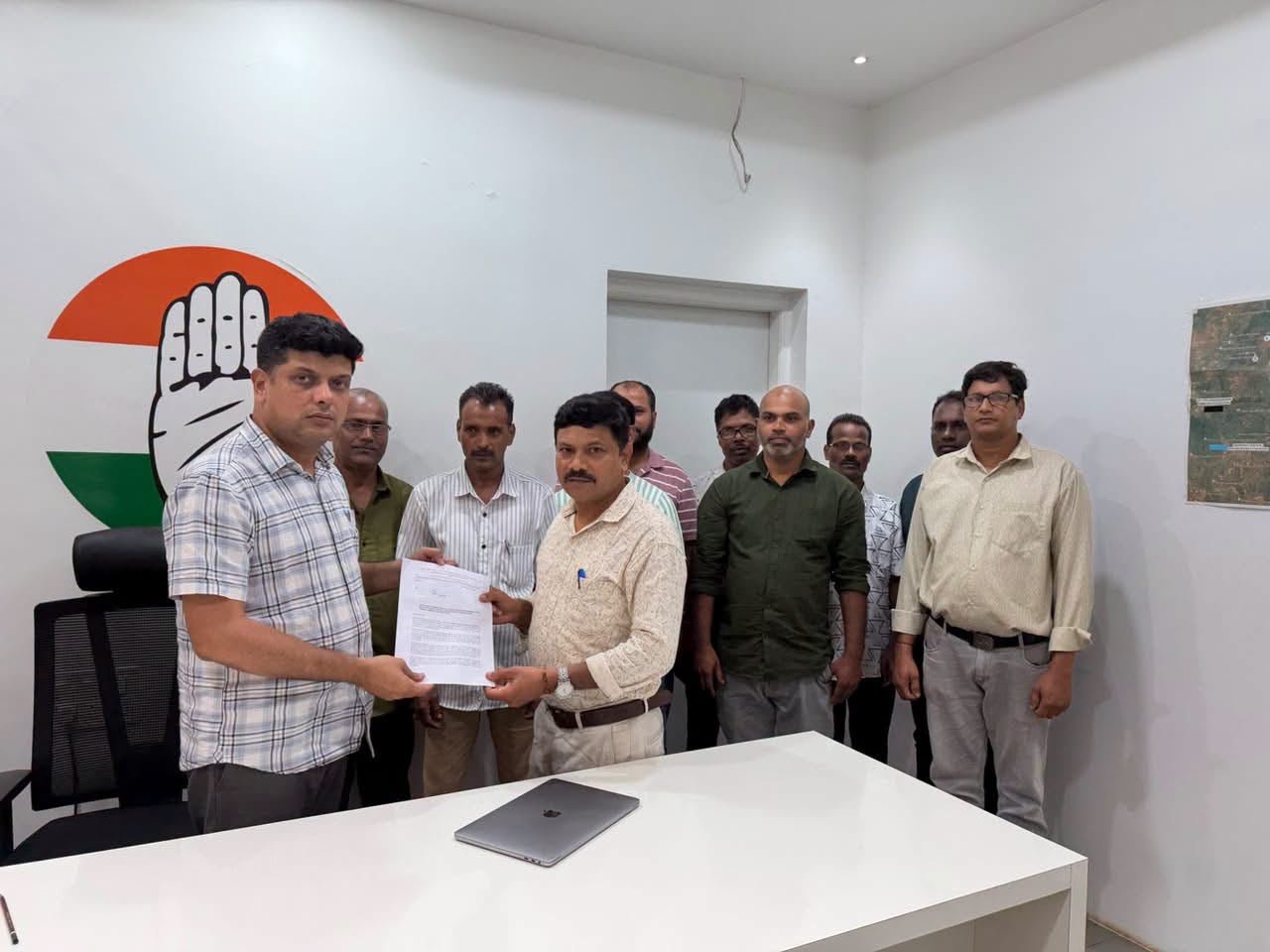
Panaji, November 3, 2026: Raising serious concerns over the alleged destruction of Goa’s pre-Portuguese heritage, Prof. Ramrao Surya Wagh has filed an urgent complaint with the North Goa Collector and several government authorities, demanding an immediate halt to clearance, levelling and proposed road works along the historic Rajbid, also known as Rajvithi or the Royal Road, connecting Old Goa with Goa Velha–Gopakapatana.
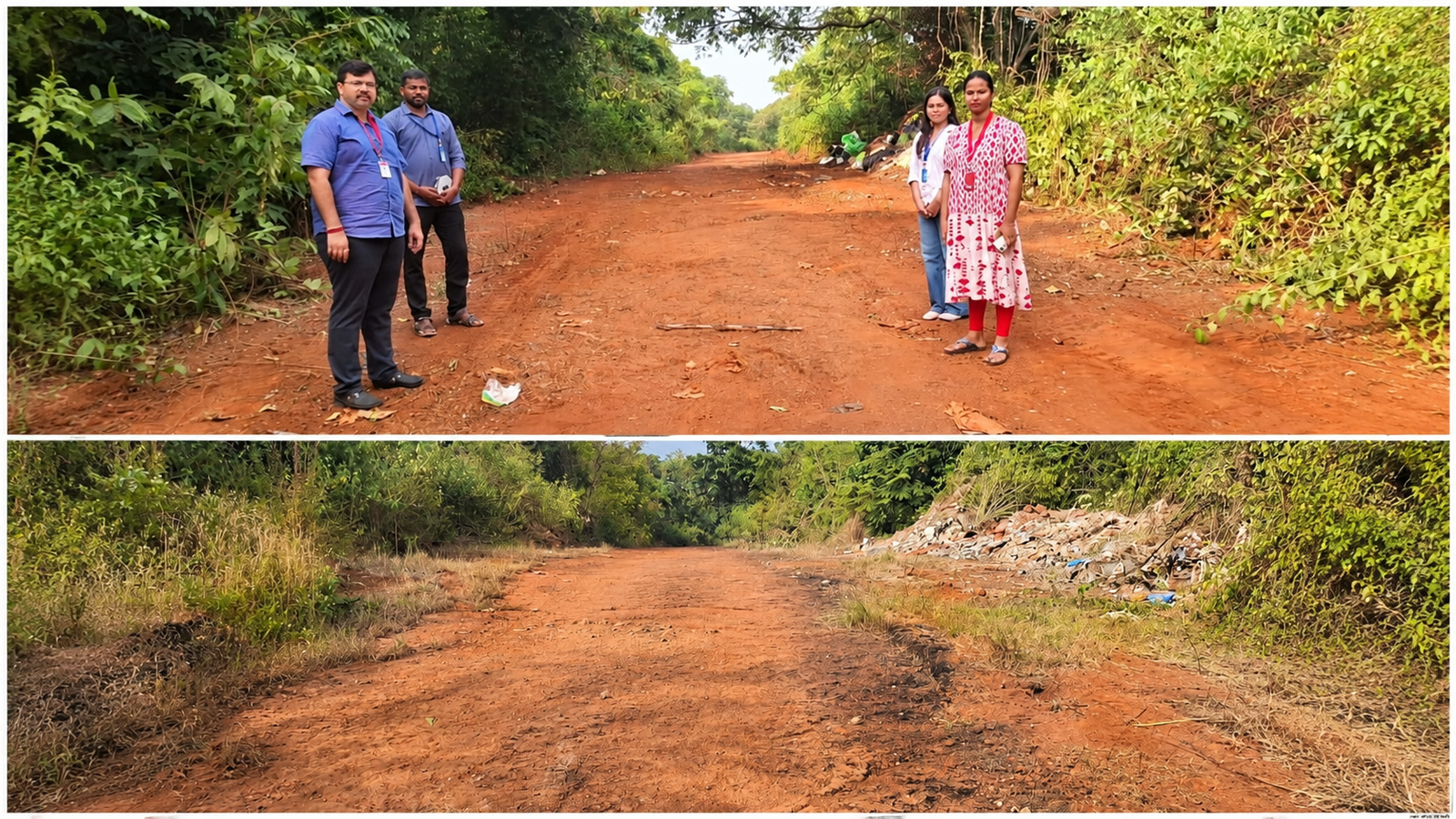
In his complaint dated November 3, Prof. Wagh alleged that extensive clearing and levelling activities were carried out between October 30 and November 1 along the surviving stretch of the ancient pathway. The work allegedly involved uprooting medium-sized trees, cutting bushes and disturbing the original stone-paved route using labourers and JCB machinery.
According to the complaint, much of the historic route has already been converted into tarred roads, including stretches from Old Goa towards Healthway Hospital and Sharada Mandir School, and from Batim towards Pilar–Goa Velha.
However, approximately two kilometres passing through the densely wooded areas of Gawaly Moula and Gancim–Batim have survived in their original form as a traditional rubble-stone pathway.
Prof. Wagh stated that earlier attempts to cover and level this stretch with rubble and mud in preparation for tarring had been stopped following local intervention. He expressed concern that the renewed activities could permanently destroy the surviving historical features and the surrounding forest landscape.
Highlighting the historical significance of Rajbid, Prof. Wagh referred to published historical accounts linking the ancient route to the Kadamba period. Historian Prajal Sakhardande has attributed the road to Kadamba ruler Jaykeshi I and highlighted its role in connecting the ancient port of Gopakapatana with Ela.
The complaint also cited historical references published by the Goa Tourism Department and reports in The Goan and The Times of India, documenting the road’s heritage significance, encroachments and earlier demands for conservation.
Prof. Wagh warned that converting the remaining forest pathway into a motorable tarred road could encourage land plotting, construction and further development in the adjoining wooded areas.
He stressed that the original alignment, stone paving and surrounding forest must be preserved together, rather than allowing infrastructure development to destroy the archaeological character of the route.
Invoking Section 3 of the Goa Ancient Monuments and Archaeological Sites and Remains Act, 1978, Prof. Wagh demanded that the government initiate proceedings to declare the surviving Rajbid a protected monument or protected area following expert assessment.
He also called for an urgent joint inspection involving the Archaeology, Revenue, Town and Country Planning, Public Works and Forest Departments, along with the concerned village panchayat, local representatives and heritage experts.
Among his demands are an immediate halt to further clearing, dumping, widening, tarring and removal of original stones; a detailed survey of the surviving pathway; identification of those responsible for the ongoing work; and disclosure of relevant permissions, work orders and sanctioned plans.
He further demanded an expert restoration plan, preservation of displaced stones and appropriate action against those found responsible for violations.
The complaint has been addressed to the North Goa Collector, Chief Town Planner, PWD authorities, Directorate of Archaeology, Batim Village Panchayat, St Andre MLA Viresh Borkar, Chief Secretary, Forest Department and Chief Minister Dr. Pramod Sawant, among others.
Prof. Wagh cautioned that any archaeological assessment undertaken after the pathway is tarred or the surrounding landscape is developed would come too late to save this important part of Goa’s historical heritage.
He urged the authorities to acknowledge the complaint, announce an inspection date and provide a written action-taken report at the earliest.