Gaonkaari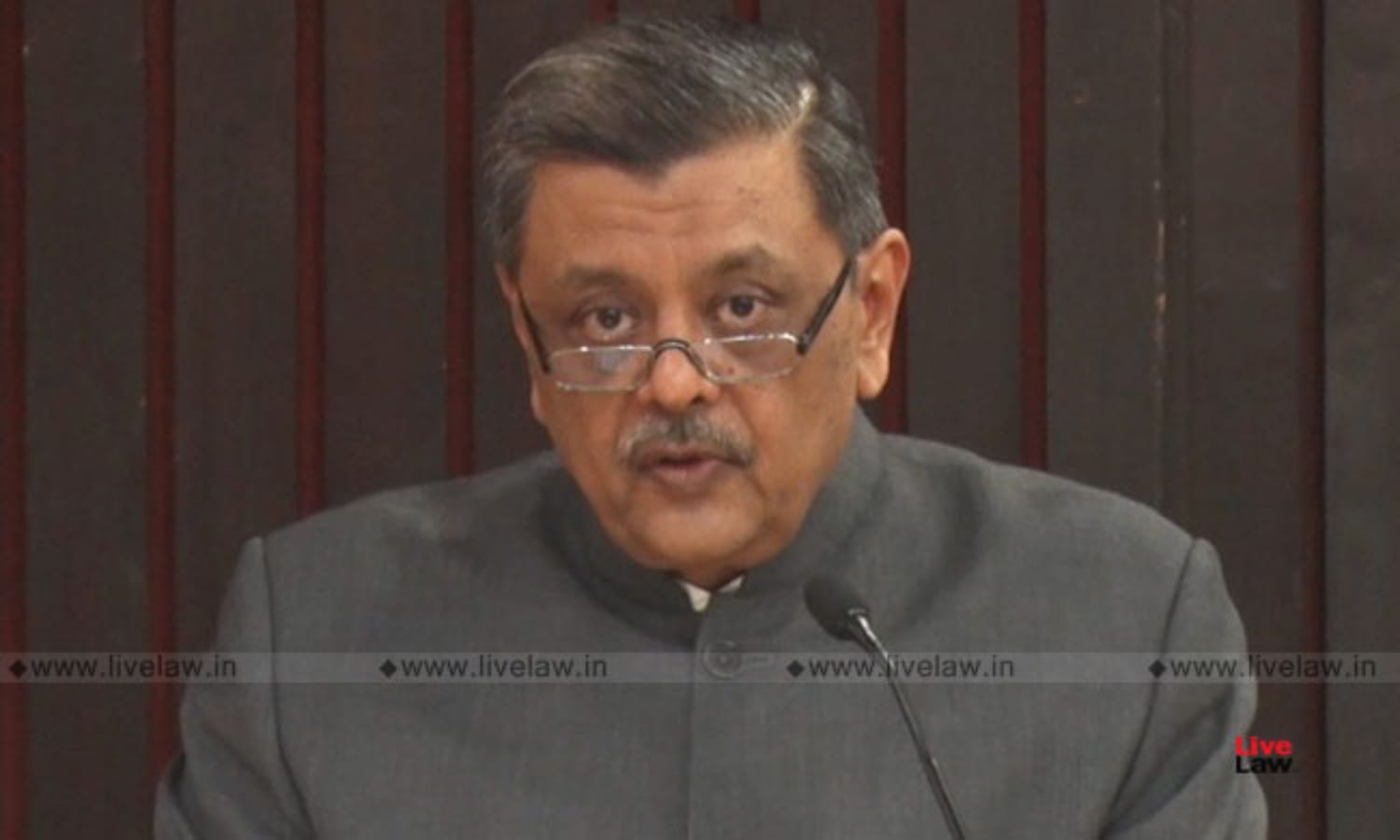
Panaji: Retired Bombay High Court judge Justice Gautam Patel delivered a strong critique of Goa’s land-use policies and environmental governance during a public lecture at Kala Academy, Panaji, held at the launch of the fifth edition of the Goa Foundation’s landmark environmental book “Fish Curry and Rice.”
Justice Patel sharply criticised Section 39A of the Goa Town and Country Planning (TCP) Act, describing it as “frontally and fundamentally unconstitutional” and warning that the provision threatens Goa’s ecology, culture and democratic participation.
Call for Referendum on Land-Use Changes
Addressing the gathering, Justice Patel argued that any proposed land-use zoning changes should be put to a public vote rather than being decided through the current system of objections and suggestions.
He said the existing process does not ensure genuine public participation.
According to Patel, the present system gives excessive discretionary powers to the Chief Town Planner, effectively reducing citizens to “mere supplicants” in decisions affecting their land and environment.
Section 39A Threatens Environmental Self-Determination
Justice Patel said Section 39A undermines the principle of environmental self-determination.
He referred to a 2013 Supreme Court judgment in the Odisha mining case, which recognised communities’ rights to decide on projects affecting their land.
Drawing parallels with Goa, he argued that local communities must have the right to determine how their environment and resources are used.
“Goa Is Not Meat in a Butcher’s Shop”
In one of his strongest remarks, the former judge said Goa should not be treated like a commodity for real-estate exploitation.
He warned that unregulated development is gradually eroding Goa’s unique identity and environment.
Goa Being “Dismantled Bit by Bit”
Justice Patel painted a grim picture of Goa’s transformation due to unchecked development and environmental neglect.
He cited several ecological concerns, including threats to forests, wildlife corridors, coastal ecosystems, lakes, rivers and sand dunes, saying the number of environmental issues affecting Goa was “staggering.”
He also mentioned examples such as:
- Advertisements for casinos visible at the airport
- Development near Olive Ridley turtle nesting sites
- Sand dunes in South Goa being cleared for large hotel projects
According to him, these developments show that Goa’s fragile ecology is not being adequately protected.
Outsiders Deciding Goa’s Future
Justice Patel warned about what he described as a process of “othering,” where Goans themselves are becoming marginalised in decisions about their own land.
He said this situation is being facilitated not only by outsiders but also by individuals within Goa.
Criticism of Stereotyping and Cultural Erosion
The former judge also criticised how Goa is often stereotyped in popular imagination.
He said outsiders from cities like Mumbai, Delhi and Ahmedabad frequently buy land and build houses without considering Goan architecture, climate or cultural context.
According to Patel, such developments reduce Goa to merely a backdrop for luxury residences, ignoring its heritage and ecological sensitivity.
Citizens Urged to Defend Their Rights
Justice Patel urged citizens to actively defend their rights and not rely solely on courts.
He stressed that legal intervention should be the last resort, saying real change requires public participation and mobilisation.
He called on people to come together and assert their rights to protect Goa’s land, ecology and communities.
Rebello’s Warning to Government
Former Chief Justice of the Allahabad High Court Justice Ferdino Rebello, who also addressed the event, criticised the practice of branding environmental activists as “urban Naxalites.”
He reminded political leaders that every citizen has the constitutional right to protect the environment and urged those in power to choose their words carefully.
Tribute to Environmental Activists
The programme also honoured 16 environmental activists who have been working to protect Goa’s ecology.
A special tribute was paid to South Goa environmental activist Diana Tavares for her contribution to environmental causes.
A Growing Debate Over Section 39A
Section 39A of the TCP Act allows the government and planning authorities to alter land-use zoning and convert various land categories, including green areas, into settlement zones.
Critics say this provision encourages unplanned development and real-estate expansion.
The provision has triggered protests and widespread debate across Goa.
Justice Gautam Patel’s lecture at Kala Academy highlighted growing concerns about land conversion, environmental degradation and governance in Goa. By calling Section 39A unconstitutional and demanding a referendum on zoning changes, he emphasised the need for stronger public participation to protect Goa’s fragile ecology and cultural identity.