Gaonkaari
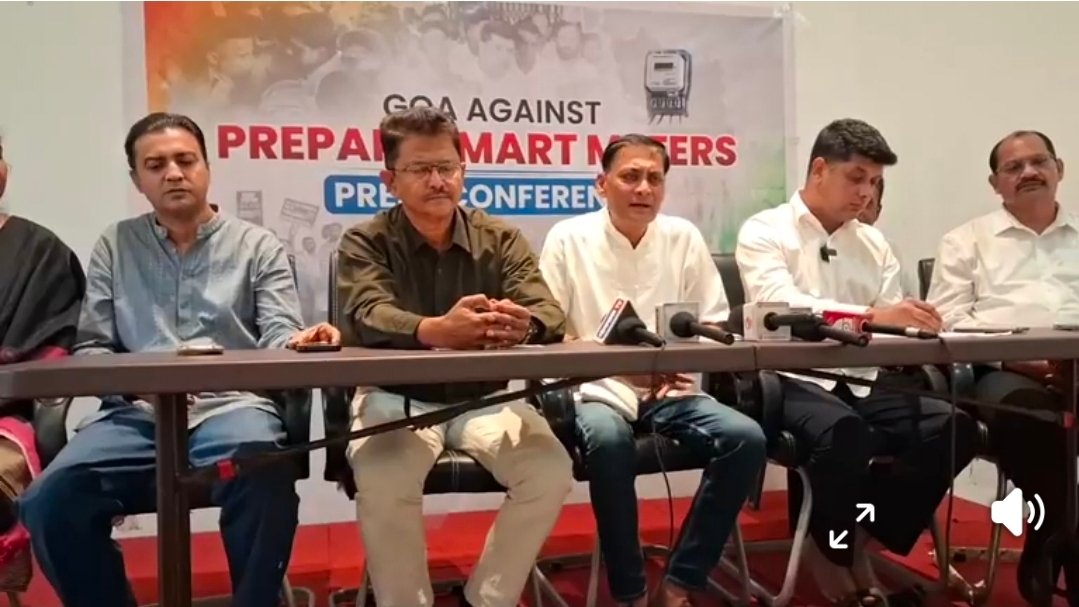
PANAJI, November 11: The citizens’ movement Smart Meter Naka has demanded the complete scrapping of Goa’s controversial Smart Electricity Meter Project, warning the state government against merely suspending its implementation until the upcoming Assembly elections and reviving it thereafter.
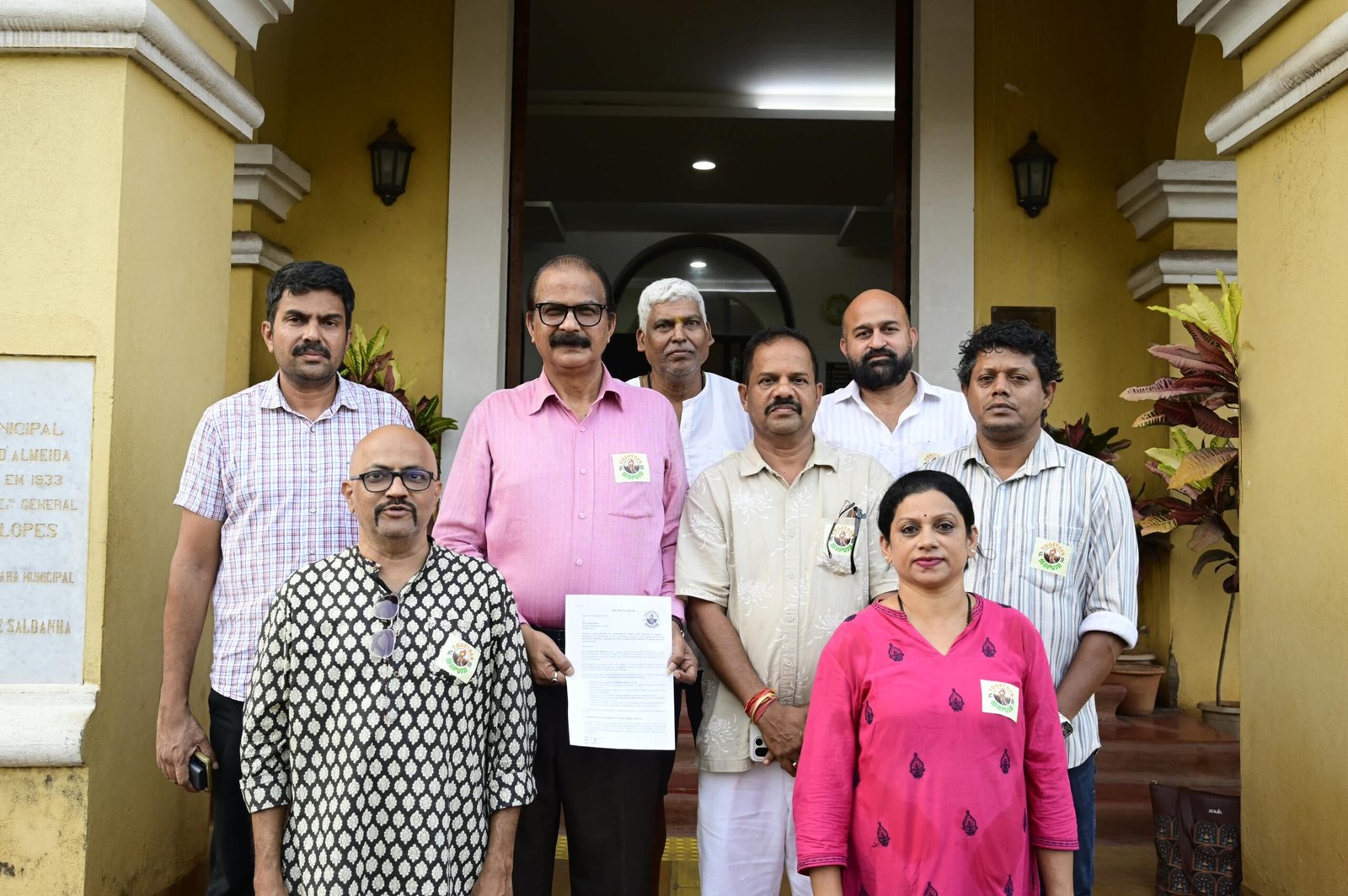
In a detailed representation submitted to Chief Minister Dr. Pramod Sawant on Wednesday, the group, representing around 2,000 concerned citizens, sought an appointment for a 10-member delegation to explain its objections to the project and justify its demand for its cancellation.
While welcoming the Chief Minister’s intervention in suspending the rollout of smart meters in prepaid mode, the group maintained that the temporary suspension had failed to address fundamental questions concerning the project’s legality, financial necessity, consumer rights, health implications and data security.
The organisation expressed concern that the government might revive the project after the elections without adequately addressing the objections raised by electricity consumers.
“The people of Goa deserve clarity on what happens next. The suspension must not be merely temporary, pending the elections, with the intention of reviving the project thereafter,” the representation stated.
Questions Financial Necessity and Public Expenditure
Questioning the financial justification for the massive project, Smart Meter Naka pointed out that Goa does not have privately owned electricity distribution companies and that the Electricity Department’s Aggregate Technical and Commercial (AT&C) losses are substantially below the benchmark considered under the Revamped Distribution Sector Scheme (RDSS).
The group argued that the government had failed to establish a compelling need for undertaking such large-scale expenditure when the existing electricity distribution system was functioning.
It also raised concerns about the financial burden on taxpayers and alleged that commercial interests appeared to be receiving greater consideration than the interests of ordinary electricity consumers.
Challenges Legality of Compulsory Installation
The organisation questioned the legal basis for compelling existing electricity consumers to replace functioning electronic meters with smart meters.
Referring to Section 47(5) of the Electricity Act, 2003, and a reply given by the Union Ministry of Power to a parliamentary question on April 2, 2026, the group argued that the law recognises a consumer’s request for electricity supply through a prepayment meter.
It maintained that the government had not adequately explained how compulsory conversion from postpaid to prepaid metering could be justified under existing legislation.
The group further asserted that implementing a centrally sponsored scheme did not exempt the state government from complying with applicable laws and protecting consumer rights.
Health, Privacy and Cybersecurity Concerns
Smart Meter Naka also demanded an independent assessment of potential health and environmental implications arising from wireless communication systems used in smart meters.
The group expressed concerns about radio-frequency electromagnetic field exposure from meters equipped with SIM cards and wireless communication facilities, particularly where mesh networks may be deployed in residential areas.
It called for a transparent scientific assessment covering potential implications for human health, animals, plants and the surrounding environment.
The representation also raised questions about the collection, ownership, storage and accessibility of consumer electricity consumption data.
The organisation sought clarity on whether private contractors and third-party agencies would have access to detailed household electricity usage patterns and what safeguards would prevent unauthorised access, data theft or surveillance.
It demanded independent cybersecurity audits and disclosure of contingency and disaster recovery arrangements before implementing any statewide smart metering system.
Alleges Lack of Transparency in Rollout
The citizens’ group alleged that the initial rollout had been undertaken without adequate public consultation or transparency.
It claimed that individuals representing private contractors had, in some instances, misrepresented themselves as Electricity Department employees while attempting to replace functioning meters.
The organisation also criticised elected representatives for what it described as their failure to effectively raise concerns over the compulsory installation of smart meters.
According to the representation, the movement emerged because citizens felt compelled to defend their rights against what they considered an arbitrary exercise of government authority.
The group clarified that it was not opposed to technological advancement or modernisation of the electricity sector but objected to the compulsory imposition of expensive technology without establishing its necessity, legality, safety and financial viability.
It further maintained that merely issuing three days’ notice before replacing an existing meter could not be considered meaningful public consultation or informed consumer consent.
Demands Permanent Cancellation, Not Temporary Suspension
Smart Meter Naka insisted that the government should provide an unequivocal assurance that the compulsory statewide rollout would not be revived after the elections or at any subsequent stage without addressing consumer concerns.
However, the organisation made it clear that its primary demand remained the scrapping of the project in its present form rather than keeping it temporarily in abeyance.
Invoking Article 21 of the Constitution, the group emphasised the government’s obligation to protect citizens’ privacy, personal liberty, public health and environmental interests.
“Development cannot mean imposing decisions upon people without transparency, accountability and meaningful public participation,” the representation stated.
The organisation has requested the Chief Minister to grant a personal hearing to its delegation so that it can present detailed arguments supporting the cancellation of the project.
The representation was signed by Elvis Gomes, Darryl D’Souza and Amarnath Gaonkar on behalf of Smart Meter Naka.
“Goans deserve reliable electricity and responsible public expenditure. Your government must put its people before projects,” the group concluded.